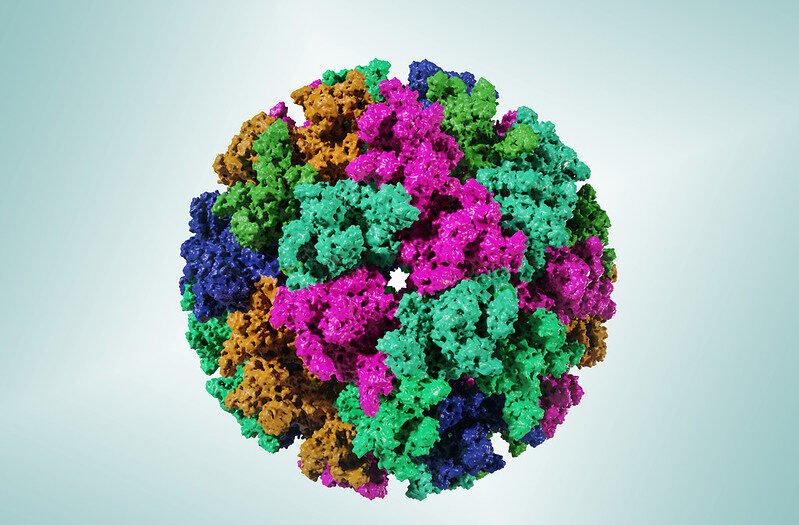
The World Health Organization has issued a warning about the resurgence of the chikungunya virus, a mosquito-borne illness known for causing high fever, joint pain, and potential long-term disability. As of mid-2025, outbreaks have originated in Indian Ocean islands like La Réunion, Mayotte, and Mauritius—regions significantly affected during the 2004–2005 epidemic. The virus has since spread to parts of Africa, including Madagascar, Somalia, and Kenya, and has shown signs of epidemic transmission in Southeast Asia, notably India.
Approximately 5.6 billion people across 119 countries are at risk, WHO medical officer Diana Rojas Alvarez stated. Alarmingly, Europe is now seeing both imported and local cases, with France reporting around 800 cases since May and 12 local transmission episodes in its southern regions. Italy has also recorded a local case.
In the United States, the Centers for Disease Control and Prevention is considering issuing a travel notice for China due to a significant rise in chikungunya cases, particularly in Guangdong Province, which has reported 4,824 cases as of July 26, 2025. The CDC is currently evaluating the extent of the outbreak before making an official announcement.
Chikungunya is transmitted primarily by Aedes mosquitoes, especially Aedes aegypti and Aedes albopictus , which also spread dengue and Zika viruses. Unlike many other mosquito-borne illnesses, these mosquitoes bite during the daytime, increasing the likelihood of infection. While most patients recover, symptoms such as joint pain can persist for weeks or even months. The virus can also trigger complications in older adults and those with pre-existing health conditions.
With no specific antiviral treatment or vaccine currently available, prevention remains the most effective defense. WHO has emphasized the importance of personal and community-level precautions, especially in at-risk regions. Key prevention measures include using insect repellents regularly, wearing long-sleeved clothing and pants to avoid bites, installing mosquito nets and screens in living areas, and eliminating stagnant water where mosquitoes breed.
The current situation highlights the urgent need for reinforced vector control and disease monitoring in vulnerable areas. Health authorities worldwide are urged to step up surveillance, public education, and vector control programs to limit further spread of the virus and avoid a repeat of the global crisis seen in the mid-2000s.